

Medical devices fail more often than many facilities expect. When that happens, patient care is affected, procedures are delayed, and repair costs increase. Most medical device failures are not random. They come from clear, preventable issues such as poor maintenance, user error, or design flaws.
If you manage biomedical equipment, you need to understand what leads to a medical device failure and how to reduce risk. This guide focuses on real causes behind medical equipment failure and practical steps you can apply in healthcare settings.
The Top Reasons Why Medical Devices Fail
Most medical device failures can be traced back to a few recurring problems. When you know these causes, you can act early and avoid unexpected breakdowns.
Failure to Assemble Professional Teams
You need skilled biomedical engineers and technicians from the start. When untrained staff handle installation, calibration, or repair, the risk of medical equipment malfunction increases.
A qualified team ensures correct setup and performance. This also supports better healthcare inventory management by keeping accurate records of equipment condition and usage.
Use of Poor Quality or Incompatible Material
Devices built with low-grade or incompatible materials wear out faster. This is a common cause of medical device production failures.
You may see cracks, electrical instability, or short equipment lifespan. Strong material selection should be part of your medical equipment planning process to avoid these issues early.
Defects in the Device Modeling
Design issues often appear after devices are already in use. Poor modeling can lead to repeated medical device malfunction, especially in complex systems.
Facilities should review device specifications carefully. A well-structured biomedical equipment list helps track models and identify recurring issues across departments.
Lack of Quality Control
If quality checks are skipped during manufacturing or servicing, defects go unnoticed. This leads to hidden issues that later cause medical equipment malfunction. Without proper quality checks, small defects can turn into serious issues that affect overall medical device safety.
Working with providers that offer biomedical equipment consulting helps ensure proper validation and performance checks are in place.
Software and Programming Errors
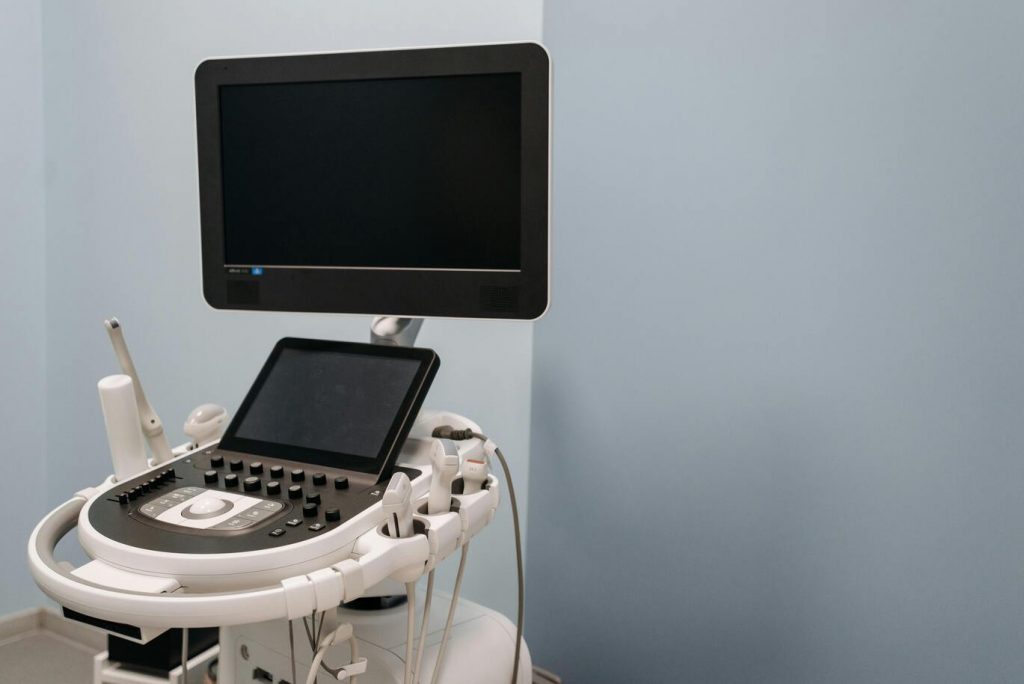
Many modern devices rely on software. A single bug can trigger a medical device malfunction or incorrect readings.
Regular updates and monitoring reduce these risks. Technical teams involved in biomedical equipment repair should also verify software stability during servicing.
Reuse of Single-Use Devices and Accessories
Single-use devices are not designed for repeated use. Reusing them increases the chance of medical equipment failure and contamination.
This practice often leads to material breakdown and performance issues, contributing to what are medical device production failures in real-world settings.
Improper Use
Incorrect handling is one of the most common causes of medical device failures. Even well-designed equipment can fail if used improperly.
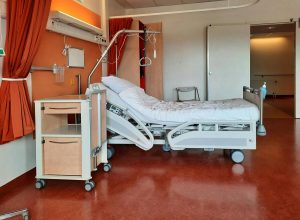
This includes misuse of support equipment such as hospital bed repairs, where improper handling can lead to mechanical failure over time.
Overstress
Every device has limits. When equipment is used beyond capacity, parts wear out faster and lead to medical equipment malfunction.
High usage of mobility equipment, including wheelchair repairs, often reflects overstress and lack of proper rotation or maintenance planning.
Improper Maintenance
Skipping maintenance leads to gradual decline in performance. Many cases of medical equipment failure happen because preventive checks were ignored.
Routine servicing also applies to transport systems like hospital gurney repair, where worn components can impact patient safety.
Environmental Factors
Temperature, humidity, and dust affect equipment performance. Poor conditions increase the risk of medical device failures.
Monitoring storage and operating environments helps reduce medical equipment malfunction over time.
Best Practices to Prevent Medical Device Failure
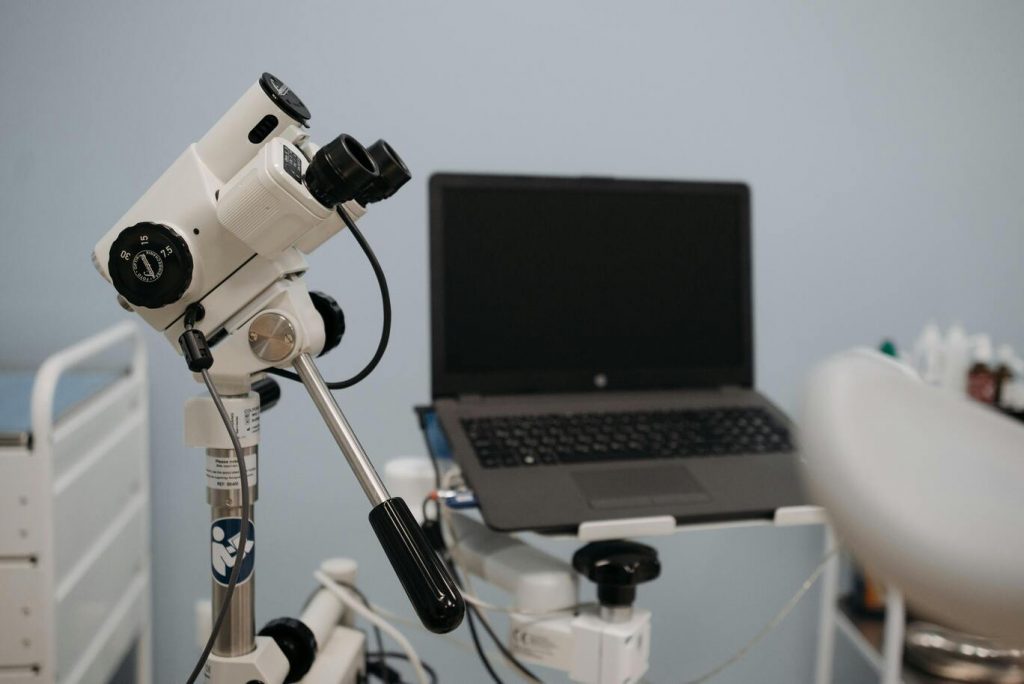
You can reduce medical device failures by applying structured processes and proper oversight. The goal is to keep equipment reliable and safe for patient care.
Build Preventive Maintenance Program
Start with a clear maintenance schedule. Preventive maintenance reduces unexpected medical device failure and extends equipment life.
Routine inspections, calibration, and part replacement help prevent medical equipment failure before it occurs.
Provide Training for Staff Members
Train your staff to use equipment correctly. Proper training lowers the risk of medical device malfunction caused by human error.
Well-trained teams reduce repeated medical device failures across departments.
Buy Quality Biomedical Equipment
Choose reliable equipment from trusted sources. Poor-quality devices increase the chance of medical device production failures and early breakdowns.
You can review the pros and cons in this guide on refurbished vs new medical equipment to support better decisions.
Collaborate with Equipment Manufacturers
Work closely with manufacturers for support and updates. They provide insights into preventing medical device failure and improving long-term performance.
Monitor Environmental Factors
Control the environment where devices operate. Stable conditions reduce medical equipment failure caused by external factors.
Maintaining proper temperature, humidity, and cleanliness supports consistent device performance and reduces medical device malfunction.
Conclusion
Most medical device failures are preventable when you focus on maintenance, training, and proper equipment management. Problems like poor material quality, user error, and lack of servicing are common but manageable.
When you rely on structured processes and skilled biomedical support, you reduce the risk of medical equipment malfunction and improve patient safety. Understanding what are medical device production failures and operational risks gives you control over equipment performance and long-term reliability.