



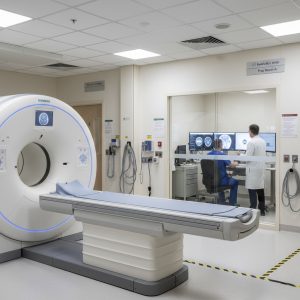

Hospitals today are under increasing pressure with the rising operational costs, staffing shortages, and growing patient expectations for higher-quality and more personalized care. More than half of medical groups point to workforce strain as their primary problem for productivity growth.
With rising expenses and labor challenges, many administrators are now developing hospital cost reduction strategies that don’t compromise care quality. So, the question is: how can hospitals reduce costs without making care worse? The short answer is to look at what you already have, including your personnel, tools, and systems, to identify inefficiencies and enhance operational performance. When exploring how can hospitals reduce costs, leaders often discover that many solutions already exist within their current systems, especially in areas supported by biomedical equipment repair.
Here’s where to begin:
- Patient experience: Going beyond kindness to ensure patients feel supported and informed, reducing unnecessary follow-ups.
- Workflows: Identifying and removing delays or outdated processes that accumulate over time and drain valuable resources.
- Staffing: Acknowledging that while hiring is difficult, turnover is even more costly.
- Equipment: Preventing budget leaks by keeping medical devices and machinery in optimal condition.
There are cost reduction strategies in hospitals that you can implement right away. Many of them build on what’s already working, especially the behind-the-scenes contributions of biomedical engineers and technicians.
Improving patient experience means being kind, but also making sure patients feel supported and know what to expect, so they don’t need to follow up often. Fixing workflows involves finding and removing old steps that cause delays and waste resources. In staffing, while hiring biomedical workers is tough, losing them is even more expensive. Keeping equipment in good shape helps avoid wasting money on repairs and ensures machines work properly. This includes routine tasks like ventilator servicing, endoscopy system maintenance, and hospital bed repair. There are cost reduction strategies in hospitals that you can implement right away. Many of them build on what’s already working, especially the behind-the-scenes contributions of biomedical engineers and technicians.
Build a Patient Satisfaction Strategy
It’s easy to overlook patient experience when you’re trying to save money, but it’s one of the best long-term strategies out there. Patients who feel informed and supported are more likely to stick with your services and choose your hospital when they need care.
Start simple. Make sure patients understand their discharge instructions. Offer follow-up messages or phone calls. These small actions reduce confusion and cut down readmissions, which are expensive and frustrating for everyone.
Redesign High-Value Operations
Every delay in key departments adds up to major hospital cost reduction opportunities if handled strategically. Look closely at departments that carry the heaviest load, like surgery, imaging, lab, and ER. These areas often have a ton of moving parts, and when something slows down, the costs stack up quickly.
Ask staff what slows them down. Maybe two departments are waiting on the same piece of equipment, or orders are delayed due to unclear responsibilities or inconsistent handoff protocols. Fixing one or two small things can unlock big savings. Your biomedical team can help flag what’s breaking down most often and why, especially when supported by consistent surgical table and lighting system checks or autoclave servicing.
If you’re still wondering how can hospitals reduce costs through technology, the answer lies in improving efficiency across every workflow.
Use Technology to Improve Productivity
Automation doesn’t have to be flashy. It just has to work. You may be wasting time if processes like scheduling, check-in processes, and supply tracking are still among your manual tasks.
Digital systems that support your staff will free up time, reduce errors, and improve handoffs between departments. Instead of buying new platforms, hospitals often get better results just by using their existing tools more effectively, especially when combined with organized biomedical equipment management.
Maintain Medical Equipment
Among the most practical cost saving ideas for hospitals is focusing on preventive maintenance, not reactive repair. Here’s one of the most overlooked cost saving ideas for hospitals: take better care of your machines. When equipment breaks, it slows care, frustrates staff, and can lead to cancellations or overtime, all of which cost money. Biomedical technicians are key here. Build regular check-ins into your schedule. Keep maintenance logs visible and up to date. Preventing a breakdown is always cheaper than scrambling to fix one, from infusion pump repair. HR outsourcing benefits can also help by saving time on staffing and payroll, so hospitals can focus more on equipment upkeep.

Renegotiate Contracts With Vendors
Your supply contracts shouldn’t sit on auto-renew. Costs shift, service needs change, and contract terms can quickly fall out of sync with what your hospital actually uses. Maybe you’re paying for services you barely use or are not getting the value you were promised. Vendor management plays a huge role in effective hospital cost reduction strategies, ensuring every contract aligns with your financial and operational goals.
When done right, these hospital cost reduction strategies lead to better performance metrics and stronger patient satisfaction outcomes. It’s worth reviewing vendor terms once or twice a year. Bring in your biomedical and operations leads, along with any contractor or employee managing these relationships, to review tools or services worth keeping and find ones that are wasting money, especially if they overlap with in-house capabilities like hospital gurney servicing.
Implement Cost-Saving Measures That Don’t Compromise Care
Cutting corners can fail in some hospital cost reduction strategies. The trick is reducing in ways no one notices and feels.
Look at where resources are being wasted, whether it’s printing too many forms, restocking items that don’t get used, or duplicating systems between departments. These are small tweaks that reduce costs without touching care.
Optimize Patient Flow
Time is money. When patients wait for beds or discharge instructions, your staff and space are tied up.
Break down your patient journey and look for choke points. Is transport running behind? Are lab results slow to return? Fixing one gap could open the flow for everything else. The more efficient the movement, the less strain on every part of the system. This often depends on functional equipment, like reliable stretcher repairs, which directly supports measurable hospital cost reduction across departments. Improving throughput not only enhances care but also supports measurable hospital cost reduction across departments.
Offer Extra Training and Development Opportunities
One of the hospital cost reduction strategies is to offer extra development opportunities. Training is both about learning and knowing how to avoid mistakes that cost money and time. When staff members are confident with equipment, systems, and processes, things go smoother.
Short in-service sessions, peer-led refreshers, or even tips from the biomedical team can go a long way. You don’t need a formal program to help staff learn smarter ways to work. Investing in education remains one of the overlooked cost saving ideas for hospitals, since skilled teams reduce waste and downtime.
Implement Staff Recognition Programs
Retention matters, and one of the most cost-effective ways to improve is through genuine employee recognition. Losing good specialists is expensive, with costs coming from recruiting, onboarding, and training. Acknowledging contributions in simple, meaningful ways can significantly boost morale and encourage team members to stay. It tells your team their effort matters and keeps them from looking elsewhere.

Increase Physician Engagement
Another hospital cost reduction strategies is minimize physician engagement. Doctors know where time and money are wasted. They just need to be invited into the conversation. When they’re on board, they’ll help spot inefficiencies and help fix them too.
They don’t need another committee. Just a place to offer input and confidence that it’ll be heard.
Reduce Readmissions
There are countless cost saving ideas for hospitals that focus on prevention rather than correction, from smarter scheduling to stronger patient engagement. Every return visit costs you time and money. Some are unavoidable, but many aren’t. Follow-up calls, text check-ins, or a quick telehealth appointment can flag issues early. It’s a small investment upfront that saves much bigger headaches later.
Implement Evidence-Based Standards of Healthcare
Sticking to proven care paths avoids waste, keeps teams aligned, and patients on track. Plus, it makes it easier to measure what’s working and what’s not.
Standardize where you can, for instance, by making protocols easy to find and follow. It’s a quiet way to save without anyone noticing.
Evaluate Contracts with Vendors
Sometimes the contract terms look fine, but the service is slipping. Use internal feedback to check whether vendors are actually meeting timelines, equipment uptime, or response windows.
Your techs, whether permanent or temporary talent, often see where gaps are. Use that info to negotiate stronger agreements or move on to someone who delivers more quality for services like autoclave maintenance or surgical light repair.
Predict Patient Propensity
Review data like cancellations, appointment history, and patient demographics to identify those likely to miss visits or need extra support. Even small patterns like no-shows after certain procedures can help you plan smarter.
Ultimately, understanding how can hospitals reduce costs is about taking a proactive approach to performance and sustainability. Hospital cost reduction strategies aren’t about slashing services but improving what you already do. Whether it’s better equipment maintenance, smarter patient flow, or stronger vendor relationships, the small improvements matter most. True hospital cost reduction comes from continuous improvement rather than one-time cuts.