

Every healthcare facility depends on reliable equipment to deliver safe care. When a device fails, patient care slows down, procedures are delayed, and staff stress rises. You need a clear biomedical equipment list to understand what devices are required, how they are used, and why proper support matters. This guide walks you through the most common biomedical equipment found in modern healthcare settings and explains their role in daily clinical work.
A well managed biomedical equipment list also helps you plan staffing, maintenance schedules, and long term investments. Whether you run a hospital, outpatient clinic, or specialty center, knowing your equipment landscape helps you make better decisions.
What Is a Biomedical Equipment
Biomedical equipment refers to medical tools used to diagnose, treat, monitor, and support patients. These biomedical devices combine engineering, electronics, software, and clinical science. You rely on biomedical devices every day, from basic monitors to advanced imaging systems.
Biomedical devices examples include imaging machines, patient monitors, infusion systems, and laboratory analyzers. Each device must meet safety and performance standards. Regular inspection, testing, and servicing are required to keep equipment safe for patient use.
When you build or review a list of biomedical equipment, you are not just listing devices. You are mapping the systems that support patient care across departments and care settings.
What Are the Essential Devices for Modern Healthcare
You need equipment that supports diagnosis, treatment, monitoring, lab testing, and surgery. Each category plays a specific role, but all systems are connected. A failure in one area often affects patient flow and clinical decisions.
Below is a structured list of biomedical equipment used in hospitals, grouped by function and clinical use.
 Diagnostic Biomedical Equipment
Diagnostic tools help you identify conditions early and confirm clinical decisions. These biomedical devices are often high value assets that require careful handling and routine checks.
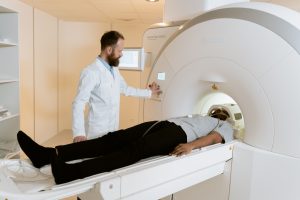
Magnetic Resonance Imaging MRI Scanners
MRI scanners produce detailed images of soft tissue without radiation. You use them for brain, spine, joint, and organ imaging. Stable power supply and system calibration affect image accuracy.
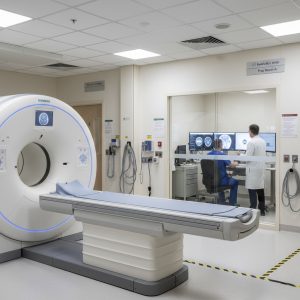
Computed Tomography CT Scanners
CT scanners create cross sectional images using X rays. You depend on them in trauma, stroke, and emergency diagnosis. Image consistency relies on proper system maintenance.
X ray Machines
X ray machines remain a core part of diagnostic care. You use them for skeletal and chest imaging in nearly every facility. Portable units also require routine safety checks.
Ultrasound Machines
Ultrasound systems use sound waves to visualize organs, blood flow, and pregnancy. Probe condition and software performance affect diagnostic confidence.
Mammography Machines
Mammography systems support breast cancer screening and diagnosis. You rely on image clarity and compression accuracy for reliable results.
Positron Emission Tomography PET Scanners
PET scanners show metabolic activity and are commonly used in oncology. These systems involve advanced electronics and require specialized technical oversight.
Fluoroscopy Machines
Fluoroscopy provides real time imaging during procedures. You depend on consistent image output to guide clinical interventions.
Therapeutic Biomedical Equipment
Therapeutic devices directly support treatment and life sustaining care. Reliability matters because device failure can affect patient outcomes.
Infusion Pumps
Infusion pumps deliver fluids and medications in controlled doses. You rely on accurate flow rates and alarm systems to reduce medication errors.
Dialysis Machines
Dialysis machines remove waste from the blood when kidneys cannot. You depend on consistent system performance and strict cleaning protocols.
Defibrillators
Defibrillators correct life threatening heart rhythms. You expect them to function immediately during emergencies, making routine testing essential.
Ventilators
Ventilators support breathing in critical care and surgical environments, and timely ventilator repair helps maintain accurate pressure delivery and responsive alarms. You rely on accurate pressure delivery and responsive alarms.
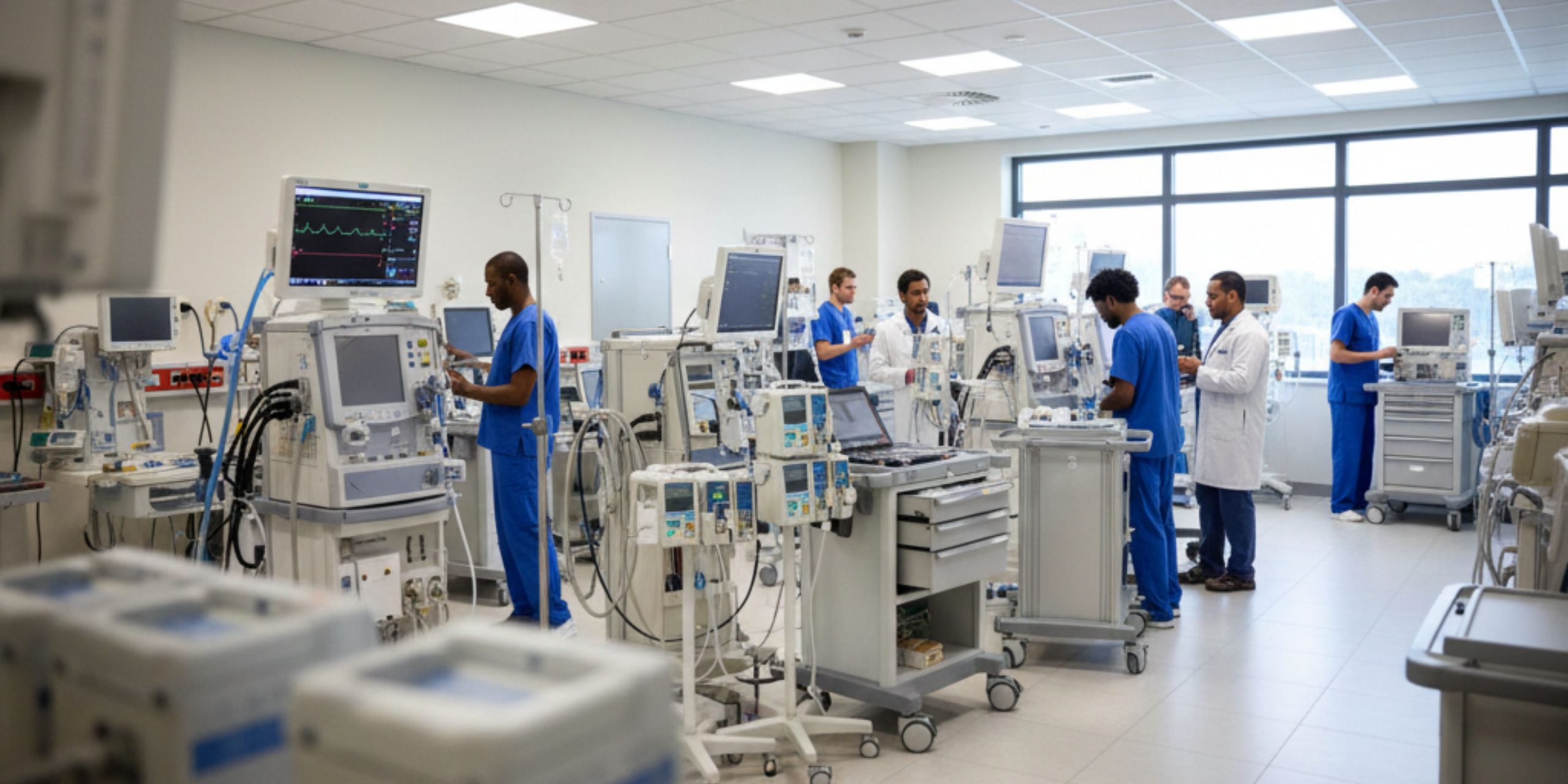
Monitoring Biomedical Equipment
Monitoring systems give you continuous insight into patient condition. These biomedical devices examples support early intervention and clinical decision making.
Blood Pressure Monitors
Blood pressure monitors measure vital signs in nearly every care setting. Calibration accuracy directly affects treatment decisions.
Pulse Oximeters
Pulse oximeters track oxygen saturation and pulse rate. Sensor quality plays a major role in reliable readings.
Electrocardiogram ECG Monitors
Electrocardiogram monitors record heart electrical activity. Clear signal capture supports accurate diagnosis.
Multiparameter Patient Monitors
Multiparameter monitors track several vital signs at once. You depend on them in intensive and step down care units.
Laboratory Biomedical Equipment
Laboratory systems support diagnosis through sample analysis. Accuracy and consistency remain the top priorities.
Microscopes
Microscopes allow close examination of cells and tissues. Optical clarity affects diagnostic accuracy.
Coagulation Analyzers
Coagulation analyzers assess blood clotting function. You rely on them when managing anticoagulant therapy.
Chemistry Analyzers
Chemistry analyzers process blood and urine tests at high volumes. Automation supports faster turnaround times.
Hematology Analyzers
Hematology analyzers measure blood cell counts and classifications. Reliable results support timely diagnosis.
Surgical Biomedical Equipment
Surgical systems support procedures before, during, and after operations. Equipment readiness affects operating room schedules.
Anesthesia Machines
Anesthesia machines deliver controlled gases and monitor patient response, and regular anesthesia machine servicing helps maintain accurate flow, alarms, and built-in safety systems. You rely on consistent flow and safety systems.
Electrosurgical Units
Electrosurgical units cut and cauterize tissue. Proper grounding and output control reduce risk.
Surgical Microscopes
Surgical microscopes provide magnified views for precision procedures. Stable optics support surgeon accuracy.
Endoscopy Systems
Endoscopy systems allow internal visualization using cameras and scopes, and routine endoscopy maintenance supports proper cleaning, imaging performance, and system reliability. Cleaning and system checks protect patient safety.
Sterilizers
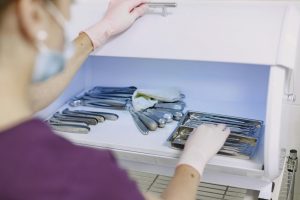
Sterilizers disinfect surgical instruments, and timely sterilizer repair helps keep these systems operating at the correct temperatures and cycles. Cycle validation and temperature control prevent infection risks.
Equipment Support Beyond Devices
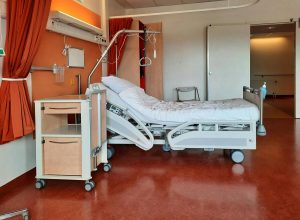
A complete biomedical equipment list also includes support systems that are often overlooked. Hospital beds, stretchers, and patient transport equipment play a daily role in care delivery. Timely hospital bed repair helps prevent patient discomfort and staff injuries while keeping units operational.
Facilities also benefit from structured biomedical equipment consulting when planning new installations, evaluating aging devices, or expanding services. Ongoing biomedical equipment repair reduces unexpected failures and extends device lifespan. Routine biomedical equipment calibration supports accurate readings and compliance with clinical standards.
Final Words
You rely on a wide range of systems every day, and each item on a biomedical equipment list supports patient safety and clinical performance. Understanding the full list of biomedical equipment used across departments helps you plan maintenance, staffing, and budgets more effectively.
With the right technical support in place, your biomedical equipment remains reliable, compliant, and ready for patient care. This allows clinical teams to focus on what matters most, delivering safe and timely treatment.