

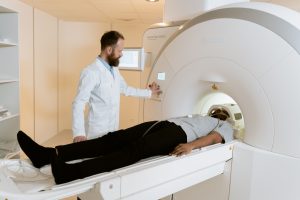



An MRI system is one of the most expensive and most heavily used pieces of equipment in any hospital or imaging center, which is exactly why MRI preventive maintenance deserves a dedicated program rather than a reactive, break-fix approach. When scans get delayed because a scanner is down, patients wait longer for diagnoses, referring physicians lose confidence, and the facility loses revenue every hour the room sits idle. A structured plan for MRI preventive maintenance protects the investment, keeps the equipment safe for patients and staff, and helps imaging departments stay ready for Joint Commission and CMS surveys.
This article walks through practical MRI maintenance tips your team can put into practice, along with what a complete MRI preventive maintenance program should include. Follow these MRI maintenance tips consistently and you’ll extend the lifespan of your MRI machine well beyond what reactive repairs alone can deliver.
Why MRI Preventive Maintenance Matters
MRI systems combine superconducting magnets, complex cooling systems, high-voltage electronics, and precision software, all of which drift out of spec over time without attention. Skipping MRI preventive maintenance does not just risk unplanned downtime; it can also affect image quality, which puts diagnostic accuracy at risk.
Facilities that stay consistent with MRI machine maintenance typically see fewer emergency service calls, more predictable capital planning, and stronger audit readiness. Our team covers this same theme in more depth in why preventive maintenance protects your equipment budget, which is worth a read if you’re building the business case internally.
What Happens When MRI Machines Are Not Properly Maintained
Without routine MRI equipment maintenance, small issues compound quickly. Helium boil-off goes unnoticed until quench risk increases. Gradient coils overheat. Cooling systems lose efficiency. RF shielding integrity degrades. Any one of these can take a scanner offline for days or weeks, and depot-level repairs on MRI components are rarely cheap or fast.
This is also where medical device failures tend to trace back to the same root cause: maintenance that got deprioritized during a busy quarter. If your facility relies on a single MRI unit, the operational impact of an unplanned outage is even more significant, which is another reason to extend the lifespan of your MRI machine through consistent servicing rather than waiting for a failure to force the issue.
Preventive Maintenance Tips to Extend the Lifetime of Your MRI Machine
These are the core practices that make the biggest difference in MRI machine maintenance over the life of the system.
- Follow the manufacturer’s PM schedule exactly. Every MRI preventive maintenance plan should start with OEM-specified intervals for inspections, calibrations, and part replacements. Deviating from the schedule to save time in the short term is one of the fastest ways to shorten equipment life.
- Monitor helium levels and cooling system performance continuously. Cryogen loss and cooling issues are two of the most common precursors to major MRI failures, so continuous monitoring should be part of any MRI equipment maintenance routine, not just an annual checklist item.
- Keep RF shielding and the Faraday cage in good condition. Damaged shielding introduces image artifacts and can force costly troubleshooting. Regular integrity checks belong in every MRI maintenance tips checklist.
- Calibrate gradient coils and magnetic field homogeneity on schedule. Precision calibration is core to diagnostic image quality, and it’s a service enBio provides through biomedical equipment calibration for imaging and other clinical systems.
- Document every PM visit, part replacement, and inspection. Complete documentation supports Joint Commission and CMS readiness and gives your team visibility into recurring issues before they become major failures. This is a core piece of enBio’s healthcare regulatory compliance support.
- Train staff on daily checks between scheduled service visits. Technologists who know what to look for, unusual noises, temperature alerts, or software warnings, can flag problems early and keep the interval between formal maintenance visits safer.
Treat this list as the foundation of your MRI preventive maintenance program rather than a one-time project. Consistency across all six MRI maintenance tips, applied together, is what actually helps extend the lifespan of your MRI machine, not any single tip in isolation.
Building a Reliable MRI Preventive Maintenance Program
A strong preventive maintenance program brings these tips together into a documented, scheduled, and accountable process rather than leaving them to individual technicians’ judgment. That typically includes a defined PM calendar, calibration records, spare parts planning, and a clear escalation path when something needs attention outside the normal schedule.
If your facility is planning a new MRI suite or replacing an aging unit, it’s worth reviewing what to plan for during MRI installation before the equipment even arrives, since site readiness and maintenance access both affect long-term serviceability. Understanding medical equipment lifecycle management more broadly also helps facilities budget for MRI equipment maintenance alongside every other modality in the department, and our guide on equipment planning covers how to build that budget realistically.
enBio supports hospitals and imaging centers with on-site field biomedical management, biomedical equipment consulting, and full biomedical equipment repair when something does need to be fixed outside of scheduled maintenance. Our broader biomedical management services are built around the same idea behind every tip above: consistent, documented, proactive care extends the life of critical equipment and keeps departments audit-ready.
Ready to Build a Stronger MRI Preventive Maintenance Program?
enBio helps hospitals and imaging centers keep MRI systems, and every other piece of biomedical equipment, running safely and reliably. Contact us to talk through a preventive maintenance program built around your facility’s equipment and compliance needs.